Poly-Baumwollstoff mit Sonnenblumenmuster für Sarong – ein lebendiger Stoff, der von Sonnenblumen inspiriert ist und Energie und Helligkeit ausstra...
See Details


Nationaler Leitfaden für traditionelle Sarong-Stoffe in Südostasien
Branchennachrichten-Das „ nationaler traditioneller Sarongstoff ” in ganz Südostasien lässt sich am besten als eine Familie von Wickeltextilien verstehen – am häufigsten saronglange Tücher, die mit charakteristischen Techniken wie hergestellt werden Batik , ikat , und Songket , each tied to specific countries, ceremonies, and weaving communities. Indonesian Batik, foder example, is formally recognized by UNESCO as intangible cultural heritage (inscribed in 2009). :contentReference[oaicite:0]{index=0}
Was in Südostasien als „Sarong-Stoff“ gilt
In Southeast Asia, “sarong” can mean either a tubular garment or a rectangular cloth wrapped and secured at the waist. The fabric is often decorated using batik or ikat methods, or woven as brocade-like luxury cloth (Songket). :contentReference[oaicite:1]{index=1}
Praktische Größen, die Sie tatsächlich in Geschäften finden
Die Größen variieren je nach Land und Kleidungsstil, aber diese Referenzen aus der Praxis helfen Ihnen beim richtigen Kauf:
- Myanmar Longyi: ca. 2 m lang und 80 cm breit , commonly sewn into a cylinder. :contentReference[oaicite:2]{index=2}
- Kambodschanisches Sampot Chang Kben (ein umwickeltes, hosenartiges Tuch): wird als rechteckiges Tuch bezeichnet ca. 3 m lang und 1 m breit . :contentReference[oaicite:3]{index=3}
- Südphilippinischer Malong: beschrieben als Etwa 4 Meter lang und etwa 50 Zoll hoch (often tubular). :contentReference[oaicite:4]{index=4}
Die drei Eckpfeiler „nationale traditionelle Sarong-Stoffe“
Wenn Sie eine sichere, kulturell fundierte Übereinstimmung mit „südostasiatischen nationalen traditionellen Sarong-Stoffen“ wünschen, sind dies die drei Techniken, denen Sie in allen Ländern und formellen Kleidungskontexten am häufigsten begegnen werden.
| Stoff / Technik | Wie es hergestellt wird | Visueller Hinweis | Bester Anwendungsfall |
|---|---|---|---|
| Batik | Wachsfestes Färben von Stoffen; tiefe Motivsymbolik | Klare Motivkanten; sich wiederholende symbolische Muster | Tägliches Tragen zu Zeremonien; ikonisch in Indonesien |
| Ikat | Resist-Färbung der Garne vor dem Weben | Weiche „unscharfe“ oder gefiederte Musterkanten | Strapazierfähige Wickeltücher; Traditionsweberei in der gesamten Region |
| Songket | Handgewebt mit zusätzlichem Schuss aus Metallfäden | Schimmernde Gold-/Silbermotive (Brokateffekt) | Hochzeiten, Staatsanlässe, formelle Kleidung (malaiische Welt) |
Indonesian batik is internationally recognized by UNESCO for its techniques, symbolism, and cultural role (inscribed in 2009). :contentReference[oaicite:5]{index=5} Ikat is widely described as a Southeast Asian-origin resist-dye method applied to yarns prior to weaving, producing its characteristic softened pattern boundaries. :contentReference[oaicite:6]{index=6} Songket is consistently defined as a handwoven textile with gold or silver threads, historically spread across the Malay world (including Indonesia, Malaysia, Brunei). :contentReference[oaicite:7]{index=7}
Wie man authentischen Sarong-Stoff von Touristendrucken unterscheidet
Sie müssen kein Textilexperte sein – verwenden Sie ein paar aussagekräftige Kontrollen, die direkt auf die Herstellung dieser Stoffe hinweisen.
Batik: Suchen Sie nach Prozess-„Fingerabdrücken“, nicht nur nach Motiven
- If a piece is marketed as heritage batik but the pattern looks perfectly uniform on both sides with no dye-depth variation, it may be a surface print rather than a resist-dyed cloth (batik is defined by technique and cultural practice, not just visual style). :contentReference[oaicite:8]{index=8}
- Ask for the technique: sellers who can describe wax-resist steps and motif meaning usually deal in higher-integrity work, consistent with UNESCO’s framing of batik as technique symbolism culture. :contentReference[oaicite:9]{index=9}
Ikat: Die „Unschärfe“ ist ein Merkmal, kein Fehler
Ikat’s hallmark is that yarns are resist-dyed before weaving, so the pattern alignment naturally creates slightly feathered edges; a perfectly sharp, pixel-like ikat motif can indicate digital printing. :contentReference[oaicite:10]{index=10}
Songket: Bestätigen Sie das Weben von Metallfäden, nicht von Metalltinte
Songket is described as a handwoven fabric where metallic threads are inserted as supplementary weft, producing a true raised shimmer. If the shine disappears when you tilt it and the surface feels flat like ink, treat “Songket” as a marketing label rather than a weaving structure. :contentReference[oaicite:11]{index=11}
Länderspezifische Beispiele, die dem „nationalen traditionellen“ Gebrauch entsprechen
Südostasien ist vielfältig, aber einige Paarungen sind besonders stabil, wenn Sie Beispiele für „nationale traditionelle Sarong-Stoffe“ für Reisen, Geschenke oder kulturelle Kleidung suchen.
- Indonesien: Batik is a nationally emblematic textile tradition recognized by UNESCO (2009). :contentReference[oaicite:12]{index=12}
- Myanmar: Der Longyi (ein Sarong-ähnlicher Umhang) wird häufig getragen; Die übliche Referenzgröße ist ~2 m × 80 cm . :contentReference[oaicite:13]{index=13}
- Malaiische Welt (Malaysia / Brunei / Teile Indonesiens): Songket is a signature ceremonial fabric woven with gold or silver threads. :contentReference[oaicite:14]{index=14}
- Kambodscha: Zu den traditionellen drapierten Stoffsystemen gehören Sampot-Formen; Ein dokumentiertes Beispiel ist ein rechteckiges Tuch ~3 m lang und 1 m breit for sampot chang kben. :contentReference[oaicite:15]{index=15}
- Südliche Philippinen: Der Malong ist ein schlauchförmiges Kleidungsstück; eine referenzierte Größe ist Etwa 4 Meter lang und etwa 50 Zoll hoch . :contentReference[oaicite:16]{index=16}
Checkliste für den Kauf: Wählen Sie den richtigen Stoff für Hitze, Zeremonie und Budget
Nutzen Sie dies als praktische Entscheidungshilfe beim Einkaufen auf Märkten oder bei Online-Angeboten.
Wenn Sie einen Sarong für den Alltag benötigen
- Wählen Sie atmungsaktive Baumwolle oder Baumwollmischung; Priorisieren Sie eine bequeme Breite/Länge in der Nähe regionaler Normen (z. B. Longyi-Referenzen in der Nähe). 2 m × 80 cm ). :contentReference[oaicite:17]{index=17}
- For ikat, accept minor pattern “softness” as normal for yarn-resist weaving. :contentReference[oaicite:18]{index=18}
Wenn Sie ein zeremonielles/formelles Textil benötigen
- Wählen Songket when you want visible prestige—its defining feature is supplementary weft metallic threads (gold/silver). :contentReference[oaicite:19]{index=19}
- Wählen culturally grounded Batik when motif meaning matters; UNESCO specifically frames batik as technique symbolism embedded in life events. :contentReference[oaicite:20]{index=20}
Schnelle Qualitätsfragen, die man einem Verkäufer stellen kann
- Is it wax-resist dyed (batik), yarn-resist woven (ikat), or metallic-thread woven (songket)? :contentReference[oaicite:21]{index=21}
- Was ist die genaue Größe in cm oder Metern (verlassen Sie sich nicht auf „Einheitsgröße“)? Verwenden Sie Referenzen wie ~2 m × 80 cm for longyi-type wraps. :contentReference[oaicite:22]{index=22}
- What fiber is it (cotton vs silk)? Songket is commonly described as silk or cotton with metallic threads. :contentReference[oaicite:23]{index=23}
Pflege und Lagerung: Halten Sie den traditionellen Sarong-Stoff jahrelang tragbar
Traditional sarong fabric longevity depends on matching care to construction—especially for dyed surfaces (batik), yarn-dyed weaves (ikat), and metallic-thread structures (songket). :contentReference[oaicite:24]{index=24}
- For batik: avoid harsh detergents and prolonged direct sun; batik is defined by hand-applied resist and dyed cloth culture, so treat it as a dyed textile, not a “printed towel.” :contentReference[oaicite:25]{index=25}
- For ikat: hand-washing reduces abrasion on yarn-dyed patterning created before weaving. :contentReference[oaicite:26]{index=26}
- For songket: store folded with soft tissue or cloth layers to reduce snag risk on metallic threads inserted during weaving. :contentReference[oaicite:27]{index=27}
Fazit: Die beste Wahl für den „nationalen traditionellen Sarong-Stoff“.
Wenn Sie eine Antwort mit hoher Glaubwürdigkeit benötigen: Wählen Sie indonesischen Batik als die bekannteste nationale Referenz für traditionelle Sarong-Stoffe (UNESCO-eingetragen im Jahr 2009) und wählen Sie Songket or ikat when your goal is respectively formal prestige or heritage weaving identity across Southeast Asia. :contentReference[oaicite:28]{index=28}
Verwandte Produkte
-
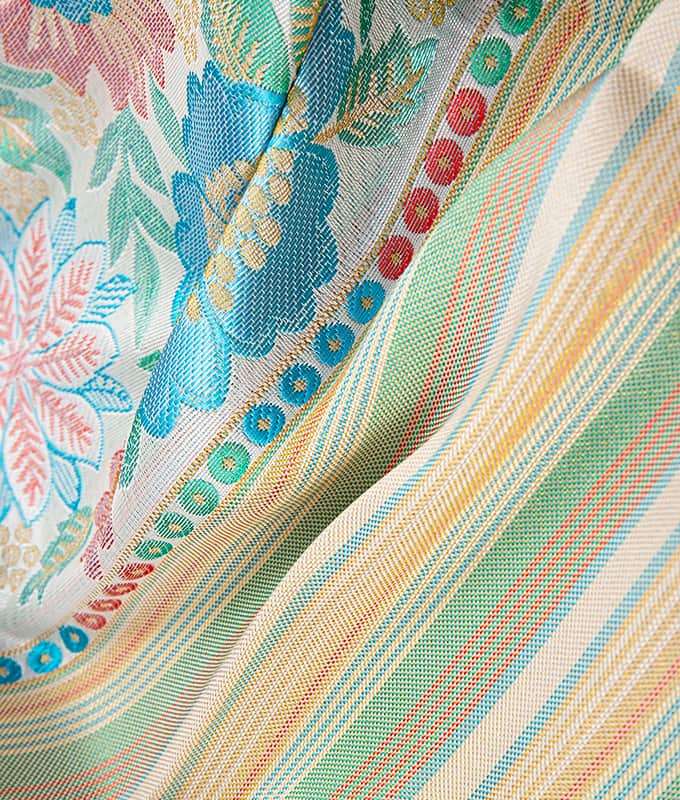
-
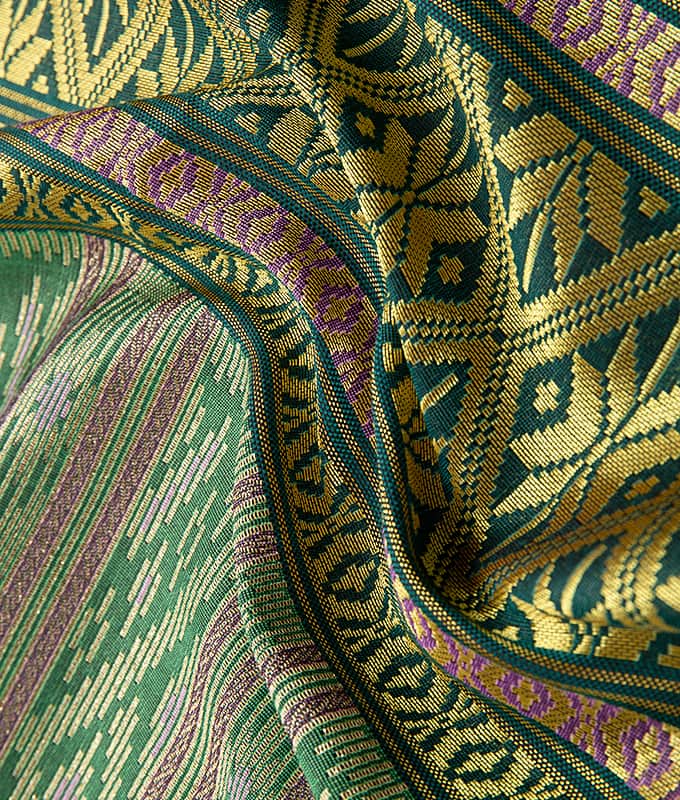
Der vertikal gestreifte Goldfaden-Poly-Baumwollstoff für Sarong verbindet Haltbarkeit und Komfort mit einem Hauch von Eleganz. Mit vertikal angeord...
See Details -
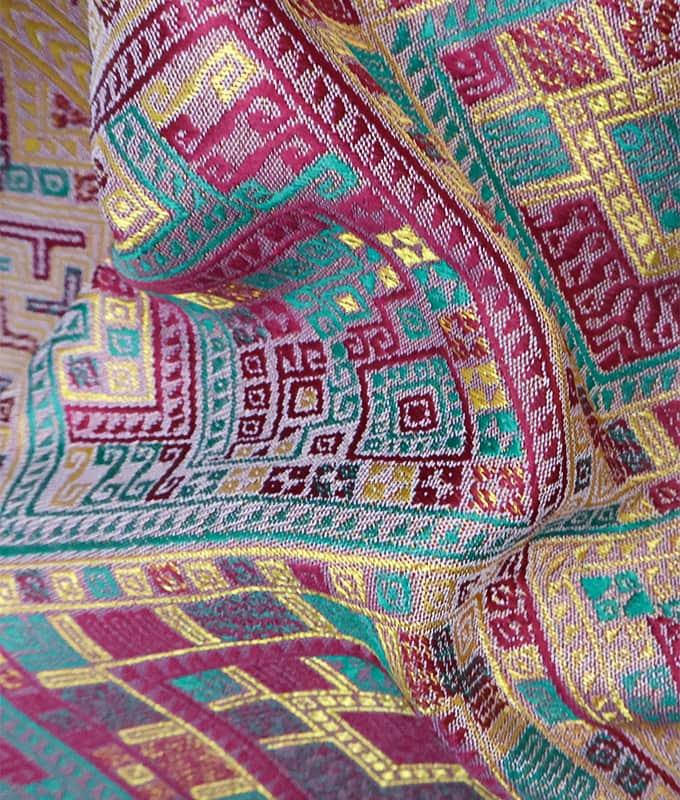
Seidenähnlicher Polyester-Jacquard-Stoff für Thai Pha Sinh Sarong – kombiniert die Eleganz einer seidenähnlichen Textur mit hochpräziser Jacquard-H...
See Details -
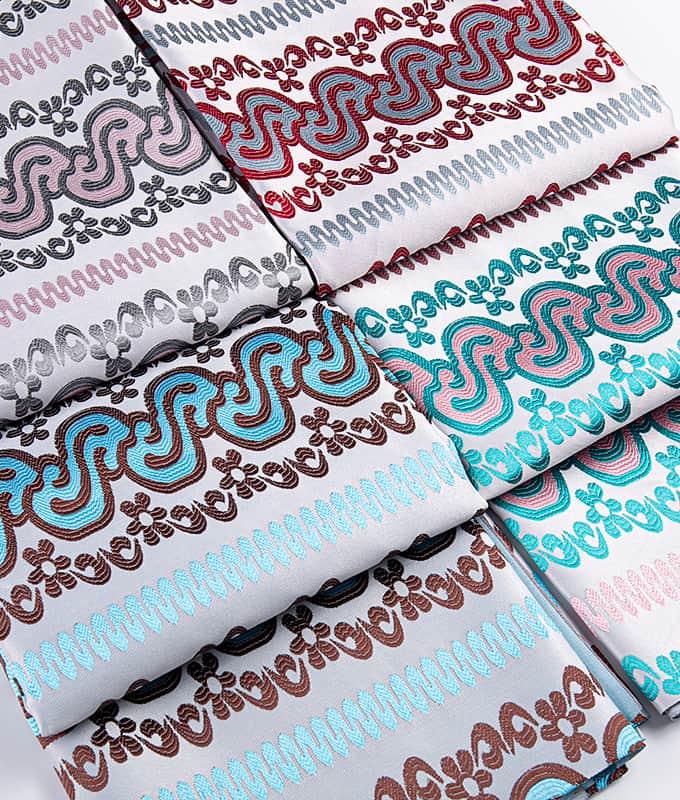
Der S-förmige 3D-strukturierte Polyester-Jacquardstoff für Sarong vereint Eleganz mit Haltbarkeit. Hergestellt mit fortschrittlicher elektronischer...
See Details -
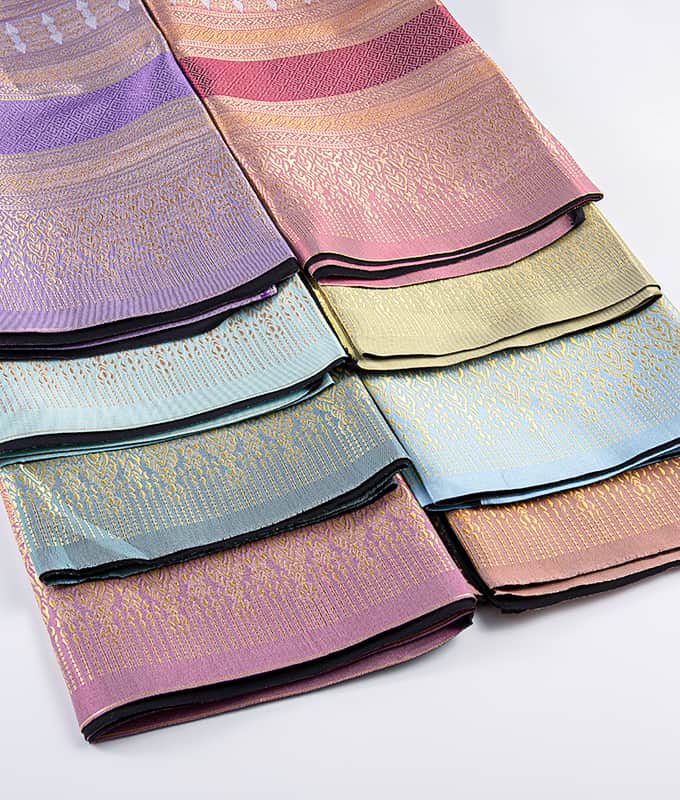
Der Polyesterstoff für den beliebten traditionellen thailändischen Sarong wird aus sorgfältig ausgewählten Polyesterfilamenten hergestellt und unte...
See Details -
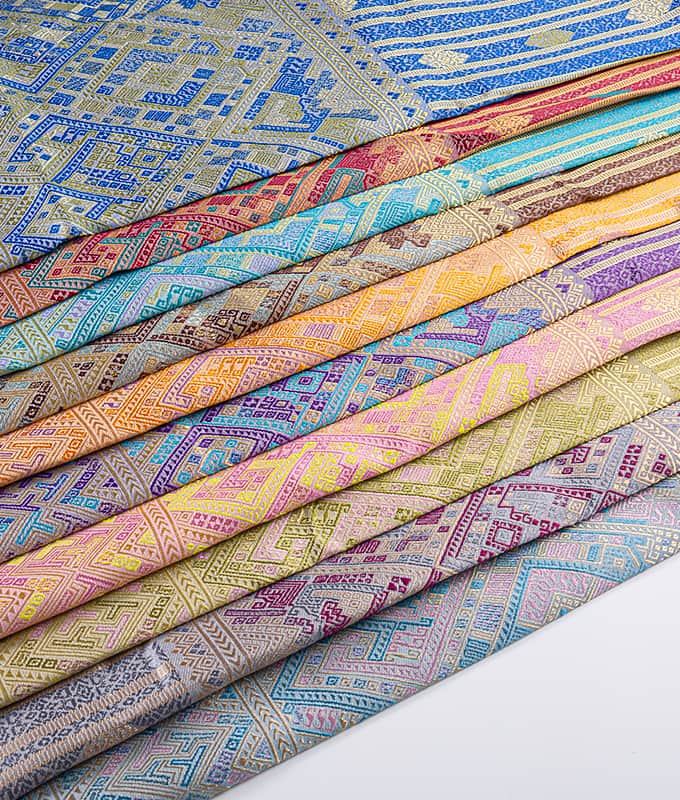
Hohler Polyester-Jacquardstoff für den traditionellen laotischen Sarong – eine perfekte Mischung aus laotischem Kulturerbe und moderner Faserinnova...
See Details

